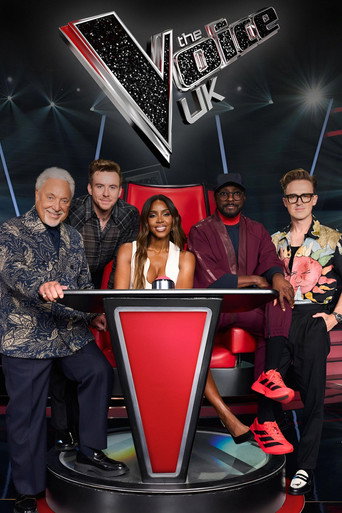
The Voice UK (2012)
รายการวาไรตี้ซีรี่ย์ 2012เรียลลิตี้
- ชื่อภาษาอังกฤษ
- The Voice UK
- ประเทศ
- สหราชอาณาจักร
- ออกอากาศครั้งแรก
- 24 มีนาคม 2555
- จำนวนตอน
- 182 ตอน (14 ซีซัน)
- ความยาวต่อตอน
- ประมาณ 120 นาที
- สถานะ
- ยังฉายอยู่
- ตอนล่าสุด
- EP7/8 (10 ตุลาคม 2569)
- ตอนถัดไป
- 17 ตุลาคม 2569
- ช่อง/แพลตฟอร์มต้นทาง
- BBC One, ITV1
- ผู้สร้าง
- John de Mol, Roel van Velzen
- คะแนน TMDB
- 6.1/10 (54 โหวต)
เรื่องย่อ The Voice UK
The Voice UK เป็นรายการวาไรตี้ ปี 2012 มีทั้งหมด 182 ตอน สถานะยังฉายอยู่
ยังไม่มีเรื่องย่อภาษาไทย แสดงเรื่องย่อต้นฉบับภาษาอังกฤษ
A vocal contest reality series featuring people with real talent and great voices. Only the very best singers make it through the the blind auditions, the decisions from the four celebrity coaches are based solely on the voices they hear - and nothing else.
The Voice UK ดูได้ที่ไหน (ถูกลิขสิทธิ์)
ยังไม่พบข้อมูลผู้ให้บริการที่มีลิขสิทธิ์เรื่องนี้ในประเทศไทย ต้นทางออกอากาศทาง BBC One, ITV1 เราจะอัปเดตทันทีเมื่อมีแพลตฟอร์มนำเข้ามาฉาย
นักแสดง The Voice UK
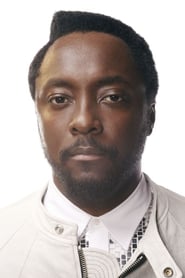 will.i.amรับบท Self - Coach
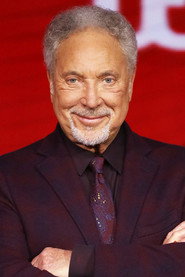 Tom Jonesรับบท Self - Coach
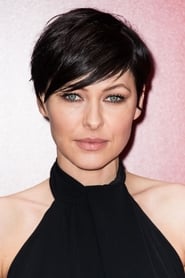 Emma Willisรับบท Self - Host
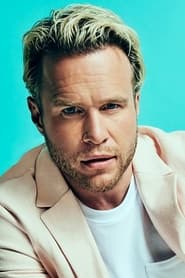 Olly Mursรับบท Self - Coach
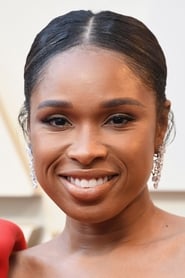 เจนนิเฟอร์ ฮัดสันรับบท Self - Coach
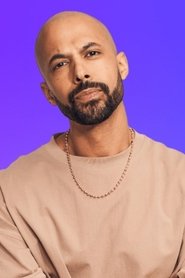 Marvin Humesรับบท Self - Host
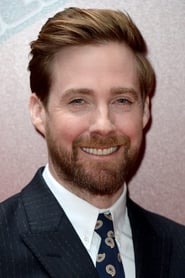 Ricky Wilsonรับบท Self - Coach
 Danny O'Donoghueรับบท Self - Coach
 Holly Willoughbyรับบท Self - Host
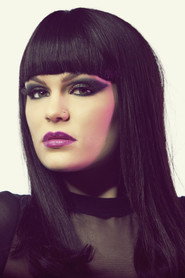 Jessie Jรับบท Self - Coach
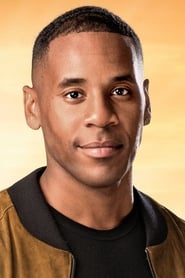 Reggie Yatesรับบท Self - Host
 Anne-Marieรับบท Self - Coach
ซีซันและรายชื่อตอน
- The Voice UK Season 117 ตอน · 24 มีนาคม 2555
- The Voice UK Season 215 ตอน · 30 มีนาคม 2556
- The Voice UK Season 315 ตอน · 11 มกราคม 2557
- The Voice UK Season 415 ตอน · 10 มกราคม 2558
- The Voice UK Season 515 ตอน · 9 มกราคม 2559
- The Voice UK Season 617 ตอน · 7 มกราคม 2560
- The Voice UK Season 714 ตอน · 6 มกราคม 2561
- The Voice UK Season 814 ตอน · 5 มกราคม 2562
- The Voice UK Season 914 ตอน · 4 มกราคม 2563
- The Voice UK Season 1012 ตอน · 2 มกราคม 2564
- The Voice UK Season 119 ตอน · 3 กันยายน 2565
- The Voice UK Season 129 ตอน · 4 พฤศจิกายน 2566
- The Voice UK Season 139 ตอน · 31 สิงหาคม 2567
- The Voice UK Season 148 ตอน · 22 สิงหาคม 2569
รีวิว The Voice UK จากทีมงาน
เจาะลึก The Voice UK: เนื้อเรื่อง การสร้าง และเสียงวิจารณ์
The Voice UK is a British singing reality competition television series. Created by John de Mol Jr. and Roel van Velzen, it premiered on BBC One on 24 March 2012. Based on the original Dutch singing competition The Voice of Holland, and part of The Voice franchise, it has aired thirteen series and aims to find currently unsigned singing talent (solo, duets, trios or professional and amateur) contested by aspiring singers, drawn from public auditions.
Presented by Emma Willis from 2014 to 2026, it was previously presented by Holly Willoughby and Reggie Yates from 2012 to 2013 and Marvin Humes who joined Willis from 2014 to 2016. Stacey Solomon and Alesha Dixon will join the presenting team from 2027 onwards. The winners receive a recording contract with Universal Music Group. Winners of each series have been: Leanne Mitchell, Andrea Begley, Jermain Jackman, Stevie McCrorie, Kevin Simm, Mo Adeniran, Ruti Olajugbagbe, Molly Hocking, Blessing Chitapa, Craig Eddie, Anthonia Edwards, Jen & Liv and AVA.
The series employs a panel of four coaches who critique the artists' performances and guide their teams of selected artists through the remainder of the series. They also compete to ensure that their act wins the competition, thus making them the winning coach. The original panel featured will.i.am, Jessie J, Sir Tom Jones and Danny O'Donoghue; the panel for the current fourteenth series features will.i.am, Jones, Tom Fletcher & Danny Jones, and Kelly Rowland. Other coaches from previous series include: Kylie Minogue, Rita Ora, Ricky Wilson, Paloma Faith, Boy George, Jennifer Hudson, Gavin Rossdale, Olly Murs, Meghan Trainor, Anne-Marie, and LeAnn Rimes.
In November 2015, the BBC announced that the fifth series of The Voice UK would be their last. That same month, ITV announced they had acquired the rights to air The Voice UK for three additional series, as well as plans for a Kids spin-off edition, which was aired from 2017 to 2023. The fourteenth series began airing on 22 August 2026. Filming for the fifteenth series commenced in September 2026. It will broadcast in 2027.
History
The Voice first came to the public eye when the BBC revealed that it was exploring the possibility of acquiring the rights. However, ITV was also interested as it was concerned that The X Factor could lose ratings after Simon Cowell, Cheryl and Dannii Minogue left the panel. ITV were said to be afraid that the show with would "upstage" theirs.
On 18 June 2011, it was reported that the BBC had won the rights to The Voice UK. In mid-2011 it was revealed that BBC would be broadcasting The Voice after paying £22 million. Danny Cohen, the controller of BBC One, said he wants the programme to emulate the success of The Apprentice and defended his decision to invest in it. Cohen said, "I thought it was really good. Every so often the BBC occasionally buys something from abroad that is peerlessly good, like The Apprentice. We adapted that for Britain with Alan Sugar and made the British version the best in the world. We hope The Voice will do similarly. We shouldn't shut the door on anything."
It was later revealed that The Voice would not be going head-to-head with The X Factor as Strictly Come Dancing is broadcast at the end of the year. Channel 4 had entered the bidding war with the BBC and ITV, but later pulled out after the channel's director called the show "derivative" and "a rip-off". It was said that the BBC was keen to sign up a new singing-talent show after it dropped Fame Academy in 2004 and had not revisited the genre. It was also eager to schedule a replacement for So You Think You Can Dance, which was dropped in 2011. Presenter Holly Willoughby also stated that The Voice UK is a "feel good show" saying, "The difference [with The Voice] is it's a blind audition, the coaches can't see the contestants when they come on stage so they judge them purely on their voice and their voice alone. It's really feel-good and the coaches are incredible."
Devised by John de Mol, the creator of Big Brother, The Voice is based on the Dutch TV programme The Voice of Holland and is part of The Voice franchise, being based on the similar American format.
According to Anita Singh from The Daily Telegraph, the BBC have spent £22 million on buying the rights to the show, which will last two years. Of the amount of money spent on it, a BBC spokesperson said, "There is an awful lot of pressure, given the money spent on the format, for the ratings to be good. But at the moment all signs are that it will be cash well spent." Singh stated however, that this contradicted a "pledge" made by Mark Thompson, the director-general. He said, "The BBC needs to make a further significant shift towards distinctiveness, spending more of the licence fee on output which, without the BBC, wouldn't get made at all." The ITV reportedly "offered more for the format but were turned down". After comparisons to the X Factor were made, Cohen defended the decision to gain the rights to the show saying, "We feel that there's enough difference in this format that it will stand out. The fact that ITV tried very hard to get it—even though they've got The X Factor—suggests that they feel this show is different enough [from that one]."
In October 2011, it was announced that Moira Ross, executive producer of Strictly Come Dancing, quit the show to join production company Wall to Wall, so that she could take the position of executive producer of The Voice UK.
The BBC were planning to make each performance on the show available for download each week, with the proceeds going to charity or the downloads being free, before it is then released commercially. The winner will receive £100,000, as well as a record deal with Universal Republic.
On 24 May 2013, it was reported that BBC One was close to recommissioning the show for a third series in 2014. The next day, it was confirmed that it would return for a third series. In July 2013, Jessie J and Danny O'Donoghue confirmed they would not be able to return as coaches for series 3 due to their music careers and touring. In September, Holly Willoughby and Reggie Yates announced they would not be returning as co-presenters for series 3. It was confirmed the same month that Kylie Minogue and Ricky Wilson would replace Jessie J and O'Donoghue. It was announced that Emma Willis and Marvin Humes would replace Willoughby and Yates as co-presenters for the third series. On 29 March 2014, the BBC confirmed the series would be returning for another two series. In April, Minogue confirmed that she would not return for the fourth series, due to clashes with her Kiss Me Once Tour. On 22 September, it was confirmed that Rita Ora would replace Minogue.
In June 2015, it was announced Ora would be joining the twelfth series of The X Factor. In August 2015, it was announced that Paloma Faith would replace Ora, with Boy George replacing original coach Jones, who was let go and would not be involved in the fifth series' production.
On 7 November 2015, it was announced that the fifth series of The Voice UK would be the last to air on BBC. On 23 November 2015, ITV announced they had acquired the rights to air The Voice UK for three additional series, set to begin airing in 2017. They also announced their plans to produce two additional series, The Voice Kids and an untitled ITV2 spin-off, both also set to air in 2017. The last episode aired on the BBC on 9 April 2016. The ITV2 spin-off show was axed on 8 August 2016, but it could return in the future.
On 10 December 2020, ITV announced the tenth series of The Voice UK would premiere on 2 January 2021.
In November 2021, only the new series of The Voice Kids was included by ITV as part of its Highlights brochure (for Christmas 2021), with the 2022 series of The Voice UK losing its Saturday night slot in January, to the Olly Murs hosted Starstruck format with Sheridan Smith, Adam Lambert, Jason Manford and Beverley Knight.
Scheduling
After speculation in February, the show's air date was confirmed on 10 March 2012. Of this announcement, the show's Twitter account said, "Two weeks from now, something new will be on your television, something so great you'll want to run up and kiss the screen. Just FYI." Britain's Got Talent judge Alesha Dixon confirmed the launch date for the Britain's Got Talent, with it being the same day as The Voice UK's. Britain's Got Talent was brought forward by ITV, so it could clash with the show. For the past four years however, Britain's Got Talent had launched in mid-April. The BBC and ITV were reportedly in a "scheduling war". BBC moved the show from its supposed 7:15 slot to 7:00, to avoid "significant overlap". ITV then responded by moving Britain's Got Talent from its original slot at 7:45 to 7:30. A BBC source said, "It is disappointing they chose to launch Britain's Got Talent on the same day as us. To not even meet us halfway on avoiding any sort of overlap is incredibly competitive."
As The Voice progressed, it became clear that audiences were staying loyal during the period when it clashed with Britain's Got Talent. After the third Blind Auditions round, when the BBC programme enjoyed a viewership margin of some four million, Simon Cowell and ITV executives moved their show to a later start time.
In an exclusive interview with Digital Spy, Cowell stated that the show is "competition" for Britain's Got Talent. He said, "I recognise [The Voice] as a challenge. The BBC must be confident because they have put it up against this show. They want to make a competition out of it. So we've got to make [Britain's Got Talent] better. Everyone benefits because of that." However, presenter Reggie Yates denied this: "I don't know if this is about toppling anyone. This is a very different animal altogether. I think when you see what this show is all about, you'll see exactly where we are coming from."
In 2013, the shows clashed again, this time with BGT starting in its usual mid-April Slot. Both shows went directly head to head with The Voice from 6.45-8.15 and BGT from 7-8.35. With BGT winning the war, The Voice moved to a later slot and for the rest of the run, only clashed with BGT for 10-15 minutes each week.
In 2016, the shows clashed again. The Voice's BBC finale was moved back a week due to a Six Nations game which meant it clashed with the BGT launch. The Voice aired from 7-9 with BGT from 7-8.25. Whilst original schedules had The Voice from 6-8 and BGT from 8-9.20, the shows both changed to a 7.00 start time.
Promotion
The first promotional item the BBC released was a video on the official website. It read, "Four of the biggest names in music are looking for incredible singing talent to compete for the title of The Voice UK. Only the most unique and distinctive voices will make it to the filmed auditions and get to sing for our celebrity coaches". To promote the show, all four coaches went to Central London launch event, which took place at Soho Hotel on 24 February 2012. Daily Mirror's Jo Usmar commented on the promotion of the show, stating that the trailer will "get you juices flowing". A further trailer was released on 9 March, featuring footage from the show, "including interviews with the panel, a first look at some contestants and bickering between the coaches".
Social media
According to Digital Spy, the BBC was trying to "boost audience participation with a wealth of social media and online activity, as viewers often watch programmes while also commenting and engaging via Twitter and Facebook on a smartphone, laptop or tablet". Telegraph Hill, having previously worked on BBC Three dramas Being Human and The Fades, put in place a full-time team of "social media creatives" who will generate online videos around the show, and on the show's Facebook and Twitter pages.
Auditions and filming
The producer auditions of series one began on 31 October 2011. Five events took place in London, two events in Birmingham, Glasgow, Manchester and Cardiff, and one event in Belfast. Solo artists and duos can participate, however, they must be aged sixteen or over. The coaches did not attend the producer's auditions. The blind auditions for the first series were held at BBC Television Centre and has since been held at dock10 studios in Salford Quays. O'Donoghue told Digital Spy of the talent at the auditions, "The talent on show after the first auditions on the first day beat out any talent in any finals I've ever seen on television. The hair on the back of my neck and arms was standing up. 16 and 17-year-olds were up there killing it".
Format
The Voice is a reality television series that features four coaches looking for a talented new artist, who could become a global superstar. The show's concept is indicated by its title: the coaches do not judge the artists by their looks, personalities, stage presence or dance routines—only their vocal ability. It is this aspect that differentiates The Voice from other reality television series such as The X Factor, Britain's Got Talent or even Pop Idol. The competitors are split into four teams, which are mentored by the coaches who in turn choose songs for their artists to perform. There is no specific age range and anyone can audition; if a coach likes what they hear, a button-press allows their chair to spin around and face the performer, signifying that they would like to mentor them. If more than one does so, then the artist selects a coach. However, if no coach turns around then the artist is sent home. The Voice has been referred to as a "big, exciting and warm-hearted series"and a "new generation in its genre". The discomfort caused by the poor design of the chair, which weighs 19-stone, has drawn criticism from will.i.am, who claims that it makes him hunch his shoulders.
There are five different stages: producers' auditions, Blind auditions, Battle phase, Knockout stage and live shows.
Producers' auditions and blind auditions
The Voice UK's first stage is the producers' auditions, which are not shown on television. The first shown stage is the blind auditions, where they sing in front of the coaches. The coaches have their backs to the singer, and if they like what they hear, they can press their button to turn around and recruit them to their team. If more than one coach turns, the power shifts to the singer, who then decides which team they would like to be part of. Each coach must recruit a number of singers (10 in series 1, 12 from series 2 to series 5 and 10 since series 6 onwards) to their team in the blind auditions to progress on to the battle phase.
Since 2017, artists that are not selected by any of the coaches leave the stage after their song and do not talk with the coaches. Equally, the chairs do not turn and hence the coaches do not see any of the artists that are not picked. Starting also in series 10, "Block" buttons were added, which prevents one coach to recruit artist on its team. Each coach is given only one block in the entire auditions. The block buttons were removed from series 12 (2023).
In series 14, the "Rewind" was introduced, each coach was given one to save an artist from elimination during the blind auditions. Series 15 introduced the "lockdown" button, allowing each coach, during a four-chair turn, to lock down all other coaches, defaulting the artist on to their team, this button replaced the rewind.
Battle phase
The second stage, 'Battle phase', is where two artists are mentored and then developed by their respective coach. The coaches of the team will "dedicate themselves to developing their artists, giving them advice, and sharing the secrets of their success in the music industry". Members of teams perform duets and the coach chooses who advances to the next stage.
In Series 2 (2013), the BBC introduced a new 'steal' twist to the Battle phase. The 'steal' gives a chance to the losers of the head-to-head battles to give one last pitch to the coaches, excluding their own coach, on why they should remain in the process. The coaches then have an amount of time to push their button on their spinning chairs if they want the contestant on their team. As with the blind auditions, if more than one coach presses their button, the contestant chooses which coach to join. In Series 4 (2015), a second steal was added, thus increasing the progressing team to eight members. In Series 6 (2017), each coach only had one steal each. From series 11–13 (2022–2024) the battles were axed in favour of the callbacks. They were added back in series 14 (2026).
Knockout stage
The third stage of the competition is the 'Knockout stage'. It was first introduced in the second series (2013). The four coaches will enter this stage with seven team members each; six winners of the battle phase, and one stolen member. Artists perform a 'killer song' of their choosing and the coaches each pick three members of their team to go through to the live shows, creating a final 12 for the public vote. For series 7 in 2018, this was changed. Only 6 members in each team participated in the knockouts, and only two from each team advanced. Also, series 8 had a new twist, one eliminated contestant could be bought back to compete in the live shows, through the 'lifeline vote'. This meant that 9 acts would take part in the live shows. From series 10 (2021), the knockout round has been axed.
Callbacks
The second stage of the competition is the 'Callbacks'. It was first introduced in the eleventh series (2022). The four coaches are all assisted by guest mentors to help make their decisions. They all have their ten acts from the 'Blind Auditions'. From here, the artists are put into a group of three or four where they will all take individual turns to perform the same song - given to them by their coach. After all the other artists perform, they come together & their coach then picks 3 artists from other groups to advance to the semi-final, leaving each coach with 3 semi-finalists. In total, 12 artists advance to the semi-final, eliminating 28 acts during the process. For the 2026 series, the callbacks have been axed in favour of the battles.
Live shows
In the 'Live shows' artists perform in front of the coaches and audience, broadcast live, with the current exceptions being the 2020 and 2022–2026 series, which were pre-recorded.
In the first series (2012), each coach had five artists in their team to begin with and the artists went head-to-head to win public votes. The votes determined which artists advanced to the final eight.
The final eight artists competed in a live broadcast. However, the coaches had a 50/50 say with the audience and the public in deciding which artists moved on to the 'final four' phase. In the first three series, each coach had one member who continued. However, from the fourth series in 2015, the semi-final format changes; only public votes decide which artists move on to the final, regardless of their team. Therefore, a coach may have two of his/her artists in the final. The final (the winner round) was decided upon by the public vote. Throughout the final the coaches frequently performed with their artists. The winner was crowned The Voice.
From the second series (2013), after the introduction of the 'steal' in the battle phase and the new 'knockout stage', each coach will have three artists on their team a total of 12 artists in the live shows to fight for the public vote and to be crowned 'The Voice', subsequently receiving a record deal with Universal Music.
From the tenth series (2021) This has changed 3 contestants from each team perform fortnightly and only 2 of them from each team will be facing the public vote and one of their coaches will reveal the contestant with the most public votes to go to the live final.
From the eleventh series (2022) each coach has 3 acts in the semi-final. Each coach must select one from their team to advance to the final, eliminating the other 2.
In the final, the studio audience votes for the winner, which will receive the record deal with Universal Music.
From the twelfth series (2023) In the final, the winner with the most votes received a £50,000 cash prize and a luxury holiday to Mauritius.
Series overview
Warning: the following table presents a significant amount of different colours.
Louder on Two
Starting on 24 March 2014, a new spin-off series aired on BBC Two during the live shows every weekday night. The series is hosted by Strictly Come Dancing: It Takes Two presenter Zoe Ball, and features interviews with the coaches and contestants as well as providing live acoustic performances by the artists. The show did not return in 2015, for the fourth series of the main show.
The V Room
An online spin-off show titled The V Room was announced in October 2016, with Cel Spellman presenting. The show started after the live shows in March 2017. Spellman did not return for series 7 in 2018, and was replaced by previous runner–up Jamie Miller. The show is available on-demand via the ITVX and features exclusive content across social media sites and the show's mobile app. The show started after the live shows in March 2018. On 12 March 2018, Vick Hope took over for Jamie Miller as the show's new digital reporter.
เนื้อหาส่วนนี้มาจากบทความ "The Voice UK" ในวิกิพีเดีย (en.wikipedia.org) เผยแพร่ภายใต้สัญญาอนุญาตครีเอทีฟคอมมอนส์ แสดงที่มา-อนุญาตแบบเดียวกัน 4.0 (creativecommons.org/licenses/by-sa/4.0) มีการตัดส่วนอ้างอิงและจัดรูปแบบใหม่
คำถามที่พบบ่อยเกี่ยวกับ The Voice UK
The Voice UK มีกี่ตอน?
The Voice UK มีทั้งหมด 182 ตอน รวม 14 ซีซัน สถานะปัจจุบัน: ยังฉายอยู่
The Voice UK ฉายวันไหน?
The Voice UK เริ่มออกอากาศครั้งแรกวันที่ 24 มีนาคม 2555 ตอนถัดไปออกอากาศวันที่ 17 ตุลาคม 2569
The Voice UK ดูได้ที่ไหน?
ขณะนี้ยังไม่พบแพลตฟอร์มที่มีลิขสิทธิ์ The Voice UK ในประเทศไทย
หมวดแนะนำ: ซีรี่ย์จีนพากย์ไทย · เรื่องถัดไป: Around the Horn
ซีรี่ย์ที่คล้ายกับ The Voice UK
 ★ 5.9
★ 5.9The Voice (2011)
 EP16/16★ 6.7
American Idol (2018)
 EP12/12★ 7.5
The Masked Singer (2019)
 จบแล้ว 318 ตอน★ 6.8
So You Think You Can Dance (2005)
 EP9/9★ 6.5
Squid Game: The Challenge สควิดเกม เดอะ ชาเลนจ์ (2023)
 ★ 7.0
★ 7.0The Glee Project (2011)
 ★ 7.2
★ 7.2The Challenge (1998)
 ★ 6.2
★ 6.2Dancing with the Stars (2005)
 EP10/10★ 8.1
Dating Naked UK (2024)
 ★ 6.1
★ 6.1Strictly Come Dancing (2004)
 ★ 8.2
★ 8.2World of Dance (2017)
 จบแล้ว 40 ตอน★ 6.9