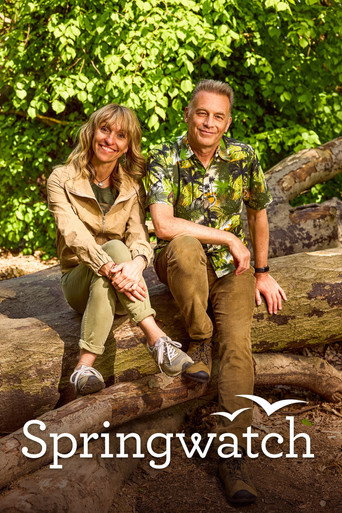
Springwatch (2005)
สารคดีซีรี่ย์ 2005สารคดีครอบครัว
- ชื่อภาษาอังกฤษ
- Springwatch
- ประเทศ
- สหราชอาณาจักร
- ออกอากาศครั้งแรก
- 30 พฤษภาคม 2548
- จำนวนตอน
- 282 ตอน (23 ซีซัน)
- ความยาวต่อตอน
- ประมาณ 60 นาที
- สถานะ
- ยังฉายอยู่
- ตอนล่าสุด
- EP12/12 (11 มิถุนายน 2569)
- ช่อง/แพลตฟอร์มต้นทาง
- BBC Two
เรื่องย่อ Springwatch
Springwatch เป็นสารคดี ปี 2005 มีทั้งหมด 282 ตอน สถานะยังฉายอยู่
ยังไม่มีเรื่องย่อภาษาไทย แสดงเรื่องย่อต้นฉบับภาษาอังกฤษ
Springwatch is an annual BBC television series which charts the fortunes of British wildlife during the changing of the seasons in the United Kingdom.
Springwatch ดูได้ที่ไหน (ถูกลิขสิทธิ์)
ยังไม่พบข้อมูลผู้ให้บริการที่มีลิขสิทธิ์เรื่องนี้ในประเทศไทย ต้นทางออกอากาศทาง BBC Two เราจะอัปเดตทันทีเมื่อมีแพลตฟอร์มนำเข้ามาฉาย
นักแสดง Springwatch
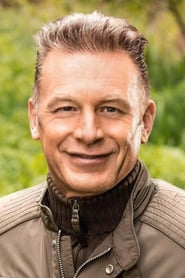 Chris Packhamรับบท Self
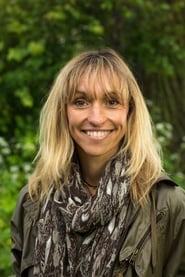 Michaela Strachanรับบท Self - Presenter
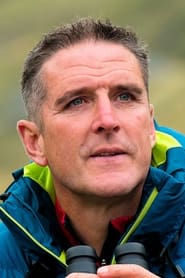 Iolo Williamsรับบท Self - Presenter
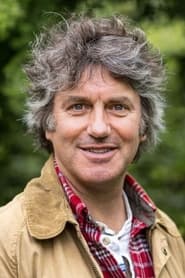 Martin Hughes-Gamesรับบท Self - Presenter (archive footage)
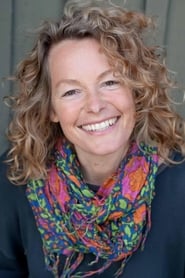 Kate Humbleรับบท Self - Presenter (archive footage)
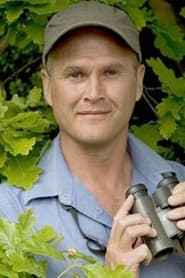 Simon Kingรับบท Self - Presenter
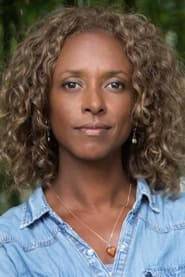 Gillian Burkeรับบท Self - Presenter (archive footage)
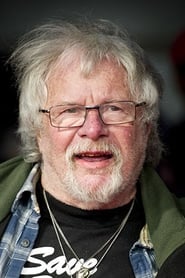 Bill Oddieรับบท Self - Presenter (archive footage)
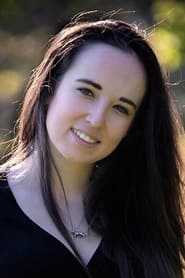 Megan McCubbinรับบท Self - Presenter (archive footage)
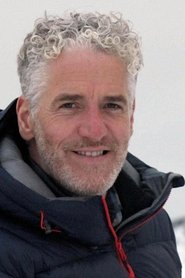 Gordon Buchananรับบท Self - Presenter
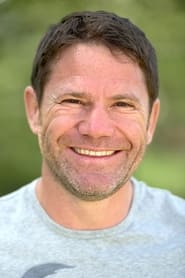 Steve Backshallรับบท Self - Presenter
- Jack Baddamsรับบท Self
ซีซันและรายชื่อตอน
- Springwatch Season 112 ตอน · 30 พฤษภาคม 2548
- Springwatch Season 212 ตอน · 29 พฤษภาคม 2549
- Springwatch Season 315 ตอน · 28 พฤษภาคม 2550
- Springwatch Season 515 ตอน · 26 พฤษภาคม 2551
- Springwatch Season 615 ตอน · 25 พฤษภาคม 2552
- Springwatch Season 715 ตอน · 17 พฤษภาคม 2553
- Springwatch Season 912 ตอน · 30 พฤษภาคม 2554
- Springwatch Season 1012 ตอน · 28 พฤษภาคม 2555
- Springwatch Season 1112 ตอน · 27 พฤษภาคม 2556
- Springwatch Season 1212 ตอน · 26 พฤษภาคม 2557
- Springwatch Season 1312 ตอน · 25 พฤษภาคม 2558
- Springwatch Season 1412 ตอน · 30 พฤษภาคม 2559
- Springwatch Season 1512 ตอน · 29 พฤษภาคม 2560
- Springwatch Season 1612 ตอน · 28 พฤษภาคม 2561
- Springwatch Season 1712 ตอน · 27 พฤษภาคม 2562
- Springwatch Season 1812 ตอน · 26 พฤษภาคม 2563
- Springwatch Season 1912 ตอน · 25 พฤษภาคม 2564
- Springwatch Season 2012 ตอน · 30 พฤษภาคม 2565
- Springwatch Season 2112 ตอน · 29 พฤษภาคม 2566
- Springwatch Season 2212 ตอน · 27 พฤษภาคม 2567
- Springwatch Season 2318 ตอน · 26 พฤษภาคม 2568
- Springwatch Season 2412 ตอน · 25 พฤษภาคม 2569
รีวิว Springwatch จากทีมงาน
เจาะลึก Springwatch: เนื้อเรื่อง การสร้าง และเสียงวิจารณ์
Springwatch is a BBC television series which charts the fortunes of wildlife in the United Kingdom during the changing of the seasons. The episodes are broadcast on BBC Two from locations around the country. They require a crew of 100 and over 50 cameras, making them the largest British outside broadcast events on the BBC. Many of the cameras are hidden and operated remotely to record natural behaviour, for example, of birds in their nests and badgers outside their sett.
Each year, the series begins on the late-May bank holiday (the last Monday in May) and is broadcast four nights each week for three weeks. After the success of the first Springwatch in 2005, the BBC commissioned a one-off special, Autumnwatch, which became a full series from 2006 to 2022. Winterwatch ran from 2012 to 2026, broadcast in January or February. The programmes were sometimes known collectively as The Watches.
The BBC discontinued Autumnwatch in 2023, in order to focus resources on Springwatch and Winterwatch, which generally received more viewers. Following the cancellation of Autumnwatch as a standalone programme, the format and title were brought back into use in the form of short reports and features on autumnal nature within The One Show in October 2023. and again in late October 2024. In June 2026 the BBC announced that a new year-round video podcast, titled Naturewatch, would be launched in the autumn, with Winterwatch being discontinued. It confirmed that Springwatch would be returning for a three-week run in May 2027.
Bill Oddie, Kate Humble and Simon King were the presenting team until 2008. Oddie departed as a regular host at the beginning of 2009 (though not by his own choice), to be replaced by Chris Packham. Martin Hughes-Games, formerly a Springwatch producer, also joined the team in 2009. In September 2010, King left the presenting team to pursue other projects. Michaela Strachan filled in for Humble during Autumnwatch 2011, reuniting her with Packham, her former co-host on The Really Wild Show. When Humble left after Springwatch 2012, Strachan became her permanent replacement. Strachan flies in from Cape Town, South Africa, to present the show.
Gillian Burke became a regular presenter in 2017, and for Winterwatch 2019 the presenters were joined by Iolo Williams, who had previously been a field reporter.
Other regular contributors include cameraman and presenter Gordon Buchanan and sound recordist Chris Watson, who has occasionally appeared on-screen to describe his working methods.
The current presenting team consists of Chris Packham, Michaela Strachan and Iolo Williams, with Megan McCubbin occasionally presenting.
Forerunners
Natural history programmes began as live outside broadcasts on BBC television in the early 1950s, when West Region's only television equipment was a mobile camera unit. The origins of Springwatch can be traced back to the 1970s, when the development of image-intensifying cameras enabled animals to be filmed in the dark. In May 1977, two remote-controlled cameras and a series of infrared lamps were installed outside a badger sett in the Cotswolds. The Natural History Unit broadcast the first live images of wild badgers during a week-long television event called Badgerwatch. Although each programme was only 10 minutes long, it created the template on which Springwatch and all the intervening series have been based, a format which has developed and expanded as technology has improved.
Badgerwatch was followed by Birdwatch, broadcast annually throughout the 1980s and presented by Tony Soper, initially from locations around Britain including Slimbridge, Minsmere, the River Exe, the Farne Islands and Martin Mere. Later series were filmed in Florida, the Netherlands and the Camargue.
In 1988 came Reefwatch, the first ever live underwater broadcast shown on British and American television. It was anchored by Soper, with divers Martha Holmes and Mike deGruy presenting during the Red Sea dive using bubble helmets (another TV first). The BBC broadcast further live series from Africa with Africawatch (1989) and Flamingowatch (1995).
Bill Oddie and Simon King joined forces for the first time to present A Bird in the Nest in 1994, featuring 5 live instalments from nestbox cameras. King also co-presented Beachwatch, a day of live broadcasts from a stretch of Norfolk coastline, which aimed to show how wildlife responded to the changing tide.
The live format was rested until 2003, when it was resurrected with Oddie, King and Kate Humble for Wild in Your Garden. The following year, the show evolved into Britain Goes Wild with Bill Oddie, and was identical to the later Springwatch and Autumnwatch series in all but name.
Surveys and campaigns
From 2005 until 2007, the BBC ran a Springwatch survey in conjunction with the Woodland Trust. Viewers were encouraged to record key events indicating the passage of spring, including the first sign of frogspawn, blossom on hawthorn trees and the arrival of swifts. By comparing the results with previous years, the surveys established that spring was arriving sooner than average. The BBC are no longer involved in the annual survey (now called Nature's Calendar) but the results are still reported on the programme. It remains the largest survey of phenology in the world.
A similar survey existed for Autumnwatch, with the timing of the first oak leaf tint, the ripening of blackberries and the dropping of conkers all being recorded.
The BBC-led Breathing Places campaign was launched during Springwatch 2006. Awards are made to small projects across the country which aim to create small areas of wildlife-friendly habitat, particularly in cities. In the first three phases of the campaign, over £8.5 million of National Lottery funding has been awarded. Local councils and Wildlife Trusts are also involved in the partnership. Breathing Places evolved from an earlier BBC campaign called Make Space for Nature, launched in 2004 to coincide with Britain Goes Wild with Bill Oddie.
The Springwatch brand has expanded to incorporate further TV spin-offs and specials, and also has a strong online presence. The BBC Springwatch website offers further video content and allows viewers and programme makers to interact through a message board, Flickr photography group, blogs and the @BBCSpringwatch and @BBCAutumnwatch Twitter accounts. The executive producer of the three programme strands is Rosemary Edwards (before 2018: Tim Scoones, series launch to 2008 and 2012: Fiona Pitcher) and the score was composed by David Poore. Programmes are made by the BBC Natural History Unit, but were originally commissioned by BBC Learning with the aim of getting viewers to actively participate in wildlife conservation.
Series 1 (2005)
The first series of Springwatch debuted on BBC Two on 30 May 2005, and finished on 16 June. Bill Oddie and Kate Humble were based at Fishleigh Estate, an organic farm in north-west Devon (the same location had been used for the previous year's Britain Goes Wild with Bill Oddie). Animals filmed included swallows nesting in the barn, blue tit families in nestboxes and great spotted woodpeckers visiting bird feeders. Simon King visited three locations across the country; firstly, the Isle of Mull to watch white-tailed eagles on a nest; secondly, the London Wetland Centre to observe peregrine falcons and red foxes; and finally, the Farne Islands to view the seabird colonies and grey seals. Over 150,000 sightings were reported in the Springwatch survey.
Series 2 (2006)
The second series of Springwatch was broadcast from 29 May to 15 June 2006. Bill Oddie and Kate Humble again presented from the Fishleigh Estate farm, where more than 50 secret cameras were rigged up to film the day-to-day dramas of nesting birds including pied flycatchers, barn owls and dabchicks. The badgers only made a single live appearance in the whole three weeks. Pre-recorded films featured moles, capercaillies and earwigs. In the Shetland Islands, Simon King followed a family of otters and a host of birds: puffins, great skuas, oystercatchers, merlins and red-throated divers. Springwatch also tracked brent geese on their spring migration from Strangford Lough in Northern Ireland to their breeding grounds in Canada's Queen Elizabeth Islands, via stopovers in Iceland and Greenland.
Live webcams around the country enabled viewers to follow animal stories on the Springwatch website. These included ospreys at Loch Garten in Scotland, red kites at Rockingham Forest in the East Midlands and pipistrelle bats in Cornwall. A spin-off programme titled CBeebies Springwatch aired on the CBeebies channel and Springwatch editions of The Really Wild Show aired on the CBBC channel. The presenters were Justin Fletcher, Nick Baker and Michaela Strachan.
Series 3 (2007)
For the third series of Springwatch, broadcast from 28 May to 14 June 2007 on BBC Two, Bill Oddie and Kate Humble were again based at the Devon farm. Birds filmed live on their nests included swallows, buzzards, jays, barn owls and jackdaws. Oddie had close encounters with an otter and a kingfisher on the River Torridge, which runs through the farm. Simon King travelled to the Hebridean island of Islay, where he filmed local specialities such as red-billed choughs, corncrakes, hen harriers, golden eagles and common shelducks. The series also featured barn owl chicks at Cornwall's Lost Gardens of Heligan, and cameras captured the moment when one chick killed and ate its younger sibling. Gordon Buchanan filmed urban red foxes in Glasgow for a pre-recorded nightly diary segment.
The 2007 series spawned more spin-offs on other BBC television channels, radio stations and the internet. Springwatch Nightshift broadcast two hours of live footage of badgers, owls and bats on BBC Two each night, and a half-hour weekly review programme aired on Friday evenings on BBC One. CBeebies Springwatch returned to CBeebies for 2007 alongside Springwatch Trackers, which aired on CBBC, presented live from the farm each morning by Steve Backshall and Kirsten O'Brien.
A live outside broadcast from the Springwatch farm featured on Terry Wogan's BBC Radio 2 breakfast show on 13 June, and on BBC Radio 4, a special edition of Nature on 11 June answered listeners' questions about spring.
Series 4 (2008)
For the fourth series of Springwatch, the production team moved to a new location at the Pensthorpe Natural Park in Norfolk due to a change of ownership at the Fishleigh Estate farm. It was broadcast on BBC Two from 26 May to 12 June. Bill Oddie and Kate Humble watched local birds on the nest, including little ringed plovers, goldcrests and reed buntings, all new species for Springwatch. Swallows, blue tits, great tits, greenfinches, pied wagtails and robins were amongst the returning species. Simon King was based in the Cairngorm National Park, where he brought viewers footage of ospreys with chicks, pine martens, Scottish wildcats, ptarmigan and crested tits. The 2007 edition of CBeebies Springwatch was repeated that year and would be the final year the series would air, being scrapped in favour of Green Balloon Club.
The week after the main series ended, four Springwatch Specials were screened. Humble presented a programme on marine life, Oddie looked at garden wildlife, King focussed on spectacular British wildlife events and Gordon Buchanan met people who have interesting relationships with wildlife.
Series 5 (2009)
Springwatch returned for its fifth series, broadcast from 25 May to 11 June 2009. Bill Oddie, who had left the programme for personal health reasons, was replaced as the series' co-anchor by Chris Packham. He joined Kate Humble for the show's second year based at Pensthorpe. Simon King toured locations across north and mid-Wales, viewing Anglesey's seabird colonies, goshawks and red kites. His main challenge was to find and film a wild polecat. Wildlife cameraman Gordon Buchanan was based at a badger sett in Essex. Former producer Martin Hughes-Games also joined the team to present a regular feature on conservation holidays, as well as co-hosting the spin-off Springwatch Unsprung programmes. The Springwatch website continued to host regularly updated blogs, message boards and webcams, as well as wildlife information. Over the course of the series, Packham privately set himself the challenge of inserting the titles of songs by The Smiths into the script for each episode.
Three new Springwatch Specials aired after the main series had finished; King revealed some of the "tricks of the trade" of a wildlife cameraman in "Close Encounters"; Hughes-Games revealed Britain's best wildlife locations in "Holidays"; and Buchanan presented a compilation of viewers' videos in "Home Movies".
Series 6 (2010)
The BBC commissioned a special Snow Watch programme to show how wildlife was affected by the coldest winter weather for 35 years. The programme was created in just five days, and was broadcast on 13 January 2010 in place of a scheduled edition of Natural World. The Points West studio was used for the indoor portion of the show and the normal theme music was replaced for the end credits with the song "Walk Out to Winter" by Aztec Camera.
The sixth, three-week, 2010 edition of Springwatch began airing on BBC Two beginning on 31 May. It was preceded by three special editions, the first of which, Chris Packham's Signs of Change, about climate change, aired on 17 May. Others were shown on 19 and 20 May. The BBC supported the series with a Twitter account, @bbc_springwatch, using the hashtag #springwatch. Packham used a reference to The Cure in each episode. Brett Westwood was among the participants in the series' bird race, and Bill Oddie made a guest appearance in the penultimate episode of the series.
The series was followed on 20 June by a two-hour, live charity appeal tie-in, Wild Night In. Broadcast from London Zoo, it was fronted by Humble, Packham and Hughes-Games, with pre-recorded segments, some featuring David Attenborough. A 90-minute "Springwatch Christmas Special" was broadcast on 29 December. Based at Chris Packham's house in the New Forest, the show included highlights from the 2010 series and specials, plus a number of new reports on topics that had hit the headlines during the year.
Series 7 (2011)
A Springwatch Easter Special was aired on 25 April 2011 and featured the return of Bill Oddie as a guest presenter.
The full series, presented by Kate Humble, Chris Packham and Martin Hughes-Games, started on Monday 30 May 2011 at 8pm on BBC 2 from a new venue, RSPB Ynys-hir in mid-Wales. During the first week Charlie Hamilton James presented daily updates on the reintroduction of beavers to the United Kingdom. At the end of week one Charlie was set the task of filming beavers live; he succeeded. During week two, Iolo Williams broadcast from Skomer Island. He was filming puffins and during the week introduced a new webcam. The presenter for week three was Liz Bonnin, at Pitsea Landfill site, filming foxes. She was set the task of filming live foxes, and succeeded. The series closed with a montage of clips of the cast "singing" the Tom Jones song It's Not Unusual, whose lyrics had been surreptitiously inserted into the script over the three-week run.
A Christmas Special was broadcast on Boxing Day, 26 December, recorded at Ynys-Hir and presented by Strachan, Packham, Hughes-Games and Humble, and featuring guest appearances by Chris Watson and others as well as a newly filmed sequence from Bill Oddie.
Series 8 (2012)
Springwatch returned to BBC Two and BBC HD on 28 May 2012, live and direct from Ynys-hir RSPB reserve in Wales for three weeks, Monday to Thursday. Chris Packham and Martin Hughes-Games will present the show, with Kate Humble being replaced by Autumnwatch Live presenter Michaela Strachan. A summer special was announced on the final episode of Springwatch 2012, and Springwatch Guide to Sea Birds was broadcast on 23 August 2012.
Chris Packham secretly introduced the titles of 49 songs and albums by David Bowie into his presentations.
Series 9 (2013)
The 2013 series of Springwatch returned on 27 May, and once again was broadcast live for three weeks from RSPB Ynys-Hir. Chris Packham, Martin Hughes-Games and Michaela Strachan, returned to present, with Iolo Williams as a roving reporter. A new show called Springwatch in the Afternoon was broadcast across the first two weeks, hosted by Nick Baker, which was broadcast live on Tuesdays, Wednesdays, and Thursdays.
Chris Packham sneaked in references to song titles by The Clash in his presentations.
Series 10 (2014)
In 2014 Springwatch celebrated its tenth anniversary by moving to a new base at RSPB Minsmere in North Suffolk. The series was broadcast on BBC Two, online and the Red Button for three weeks from 26 May to 12 June 2014. Springwatch Unsprung, hosted by Baker, was shown after the main programme, online and on the BBC Red Button from Mondays to Wednesdays and on BBC Two on Thursdays. Iolo Williams returned as the regular roving reporter, broadcasting live from the west coast of Scotland. Special features included cameraman Doug Allan's underwater footage of grey seals on Lundy, a report on how the wildlife of the Somerset Levels was affected by the winter floods and updates on the latest research into urban foxes and cuckoo migration.
Series 11 (2015)
A special one-off Springwatch at Easter aired on 3 April 2015. The series returned to RSPB Minsmere on 25 May 2015, with 12 episodes over the next three weeks.
Series 12 (2016)
Springwatch aired in 2016 between 30 May and 16 June live from RSPB Minsmere.
Series 13 (2017)
A special one-off Springwatch in Japan: Cherry Blossom Time aired on 21 April 2017 and was presented by regular hosts Chris Packham and Michaela Strachan and guest presenter James Wong.
The farmland of Sherborne Park, Gloucestershire, became the new host site for the main Springwatch series. The programme gained a new host, Gillian Burke.
Series 14 (2018)
Springwatch, again from Sherborne Park, ran for three weeks, starting on Monday 28 May with a 90-minute extended edition. Martin Hughes-Games was not involved, being replaced by a number of guest presenters, the first of whom was Steve Backshall. Iolo Williams appeared in week two, with Lucy Cooke and Patrick Aryee scheduled for the final week.
Series 15 (2019)
Springwatch was broadcast from a new site near Nethy Bridge on the edge of the Abernethy Forest in the Cairngorms National Park. Packham, Strachan and Burke continued as presenters and were joined by Iolo Williams.
Series 16 (2020)
Due to the COVID-19 pandemic, the 2020 series, starting on 25 May, did not come from a central base. Instead each presenter appeared from a location near their home, respecting government guidelines on social distancing. Packham – joined occasionally by his step-daughter Megan McCubbin, a zoologist – was in the New Forest, Williams in Montgomeryshire, and Burke in Cornwall. Although she sent a video message from her home in South Africa, Strachan was unable to return to the UK to participate. Steve Backshall was guest presenter during the first week, from his home on the Thames, with Gordon Buchanan, presenting from Loch Lomond National Park in week two, and Ellie Harrison in the Golden Valley, near Stroud, in week three.
Some films from previous years were re-screened. Additional material was made available on the BBC's iPlayer service.
The first Thursday episode started – at 8pm – with the presenters joining the national "Clap for Our Carers", except for Burke, due to her proximity to wild beavers.
This Series won the British Academy Television Award for Best Live Event in 2021.
Series 17 (2021)
Packham and Strachan broadcast from the Wild Ken Hill sustainable agriculture in Norfolk, while Iolo Williams was based at Alladale Wilderness Reserve in Sutherland in the north of Scotland. Gillian Burke was at WWT Castle Espie in County Down, Northern Ireland.
Series 18 (2022)
Packham and Strachan again broadcast from Wild Ken Hill sustainable agriculture in Norfolk; McCubbin did a roadtrip through northern England, visiting Kielder Forest, Hauxley Nature Reserve and Newcastle-upon-Tyne; Williams was again on the Isle of Mull; Gillian Burke did not appear, having also missed Winterwatch 2022.
Series 19 (2023)
In Series 19, Packham and Strachan presented from RSPB Arne in Dorset, Gillian Burke from North Wales and Megan McCubbin from Devon and Arne; McCubbin was originally not scheduled to appear as a host but replaced Iolo Williams, who missed the series due to ill health. The show received complaints after airing a scene showing a gamekeeper beating a buzzard to death with a stick.
Series 20 (2024)
Packham, Strachan and Williams returned for a three-week series, again filming at RSPB Arne in Dorset, with Megan McCubbin filming on the Isle of Bute on the west coast of Scotland.
Series 21 (2025)
Packham and Strachan hosted from the Longshaw Estate, Derbyshire. Williams was in Northern Ireland, including Belfast, Rathlin Island and Mount Stewart. Hannah Stitfall also appeared.
Series 22 (2026)
On 7 May 2026, it was officially announced on Evening Extra on BBC Radio Ulster that Springwatch 2026 would be based at the National Trust's Crom Estate, located near Newtownbutler in the south-east of County Fermanagh in Northern Ireland. This was the first time that Springwatch was based in Northern Ireland, and the first time that Springwatch was based outside of Great Britain.
Special (2005)
The success of the first series of Springwatch led to the BBC and the Woodland Trust collaborating once again to launch an appeal for sightings of the approach of autumn. The results of the first Autumnwatch survey were presented by Bill Oddie in a one-off programme in November 2005 entitled Wild Autumn with Bill Oddie.
Series 1 (2006)
For 2006, Autumnwatch was extended to a fortnight-long series, broadcast from 2–12 October. Oddie and Kate Humble were based at Martin Mere wetland reserve in Lancashire, where they awaited the arrival of local wild swans and the return of the brent geese to Northern Island. King watched the red deer rut on the island of Rùm. In addition, cameraman Gordon Buchanan filmed a nightly grey seal diary from the Monarch Islands. British viewers could submit their sightings of natural autumn events on the Autumnwatch website, and the findings were developed into an online map showing the progression of autumn events across the country. This showed a correlation with temperature. Much like with Springwatch, a spin-off show for CBeebies aired, titled CBeebies Autumnwatch.
Series 2 (2007)
Autumnwatch was broadcast later in the year than the previous series, from 5 to 14 November. Oddie and Humble were based at Martin Mere as for the previous year, but this time King toured some of Britain's best places for viewing wildlife. There were daily pre-recorded sequences from the deer rut in Rùm which had taken place earlier in the season. Instead of airing a new series, the 2006 CBeebies Autumnwatch season was repeated, which caused some parents to complain to the BBC.
Series 3 (2008)
For Autumnwatch 2008, broadcast from 27 October – 6 November, Oddie and Humble were based at Brownsea Island, one of the few places in southern England where red squirrels can still be seen. King visited a variety of locations around the country, beginning with three days watching fallow deer at Petworth Park and muntjac at Birmingham Airport. He then followed up sightings of otters in a Walsall canal, but although his team found traces of the animals, they didn't manage to film them. During the second week he watched ravens on Anglesey and made two live dives off the south coast of England, managing to find and film a conger eel. Gordon Buchanan travelled to the Farne Islands to film the grey seal colony during the pupping season. Attempts to communicate with Oddie and Humble via a live satellite link, were thwarted on several occasions by bad weather conditions.
Additional content was made available on the Autumnwatch website, including live webcams, extra videos and a blog.
เนื้อหาส่วนนี้มาจากบทความ "Springwatch" ในวิกิพีเดีย (en.wikipedia.org) เผยแพร่ภายใต้สัญญาอนุญาตครีเอทีฟคอมมอนส์ แสดงที่มา-อนุญาตแบบเดียวกัน 4.0 (creativecommons.org/licenses/by-sa/4.0) มีการตัดส่วนอ้างอิงและจัดรูปแบบใหม่
คำถามที่พบบ่อยเกี่ยวกับ Springwatch
Springwatch มีกี่ตอน?
Springwatch มีทั้งหมด 282 ตอน รวม 23 ซีซัน สถานะปัจจุบัน: ยังฉายอยู่
Springwatch ฉายวันไหน?
Springwatch เริ่มออกอากาศครั้งแรกวันที่ 30 พฤษภาคม 2548
Springwatch ดูได้ที่ไหน?
ขณะนี้ยังไม่พบแพลตฟอร์มที่มีลิขสิทธิ์ Springwatch ในประเทศไทย
หมวดแนะนำ: ซีรีย์ญี่ปุ่นน่าดู · เรื่องถัดไป: Earth's Natural Wonders
ซีรี่ย์ที่คล้ายกับ Springwatch
 ★ 7.4
★ 7.4Marvel's 616 มาร์เวล 616 (2020)
 จบแล้ว 8 ตอน★ 8.0
Animal สัตว์มหัศจรรย์ (2021)
 จบแล้ว 530 ตอน★ 8.0
Top Gear (1978)
 จบแล้ว 9 ตอน★ 7.5
Baseball (1994)
 EP13/13★ 7.9
Nature (1982)
 จบแล้ว 543 ตอน★ 7.4
Natural World (1983)
 จบแล้ว 12 ตอน★ 8.2
Earth at Night in Colour (2020)
 ★ 6.5
★ 6.5American Experience (1988)
 ★ 7.7
★ 7.7Down to Earth with Zac Efron (2020)
 ★ 7.0
★ 7.0The New York Times Presents (2020)
 จบแล้ว 78 ตอน★ 8.0
Doctor Who Confidential (2005)
 ★ 7.1
★ 7.1